

How to recognize emotional distancing in digital spaces
Learn to spot sustained emotional withdrawal in texts and online conversations, distinguish it from stress or different habits, and respond with clarity and care.
Articles about Relational Dynamics
Learn to spot sustained emotional withdrawal in texts and online conversations, distinguish it from stress or different habits, and respond with clarity and care.

Friendship groups are shaped by more than shared interests. Learn seven quiet rituals that guide belonging, status, invitations, and the choices you can make consciously.

Explore how sibling roles reemerge through systemic patterns during key life transitions and impact family dynamics.

Discover practical techniques to identify and interrupt patterns of self-exclusion within your relational and emotional systems.

Identify systemic patterns that drive tension in blended teams and learn strategies for healthier group dynamics and cohesion.

Understand authority patterns in small teams through systemic mapping to improve roles, influence, and group dynamics effectively.

Identify key signs of group identity loss during transitions by understanding systemic dynamics and shared unconscious patterns.

Examines how behavior policing shapes group dynamics, influences systemic roles, and impacts collective emotional patterns.

Discover how repeated systemic blame cycles hinder genuine reconciliation and block emotional resolution after conflict.

Understand how unconscious rivalry shapes friendship dynamics and discover ways to identify and transform hidden competitive patterns.

Discover how avoiding conflict impacts relational systems, emotional patterns, and collective consciousness in partnerships.

Examine how inherited fear influences behaviors and decision-making, shaping the underlying dynamics in organizations.

Discover how digital communication sustains unconscious systemic loyalties shaping behaviors within relational and social systems.
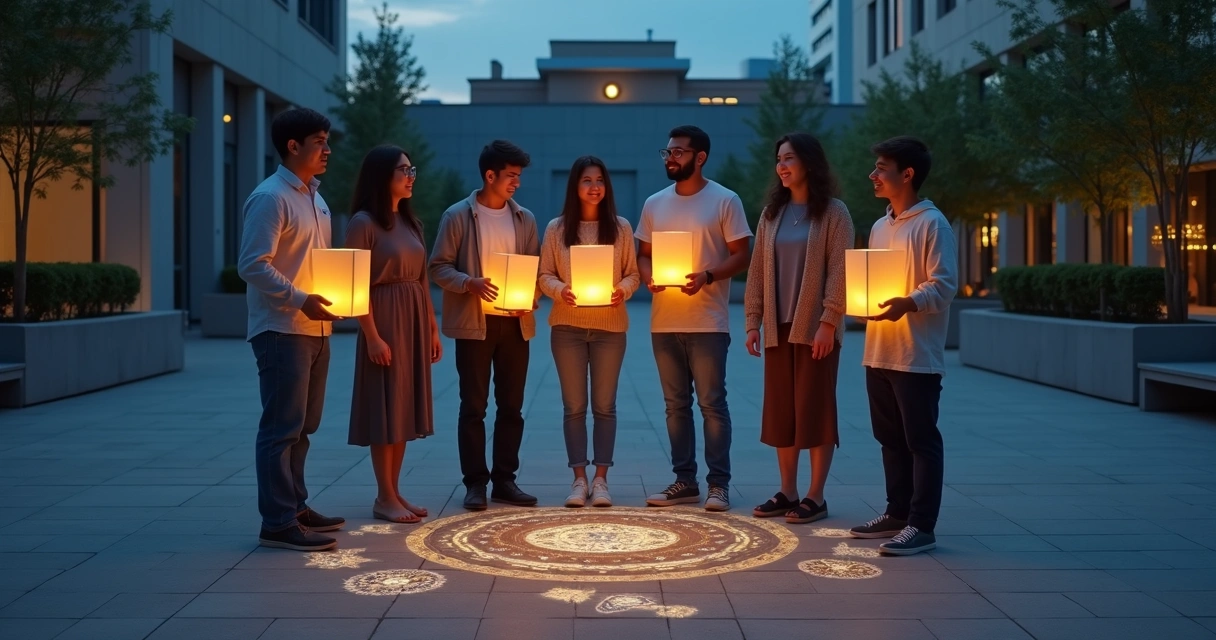
Identify and mitigate implicit cultural biases influencing group dynamics to improve decision-making accuracy and fairness.

Discover how early attachment patterns shape emotional dynamics and trust in professional relationships at work.