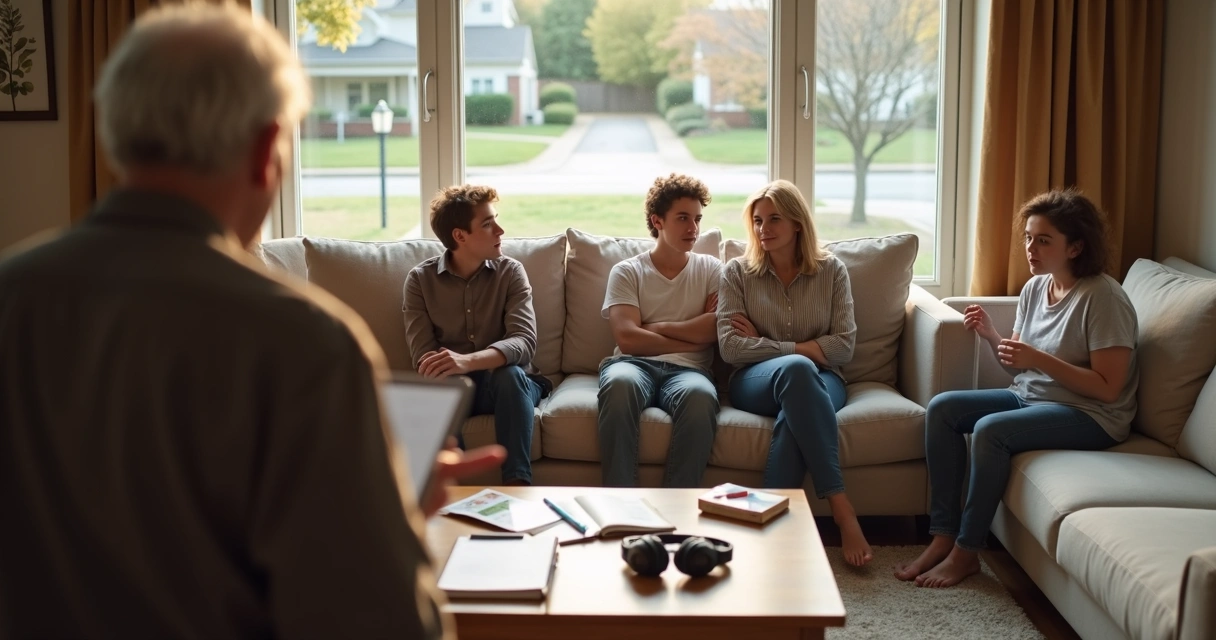
We often like to think that group decisions are fair because many people are involved. It feels safe. It feels balanced. But in our experience, groups do not leave bias at the door. They can hide it, spread it, and even give it a polished look.
Hidden cultural bias is the silent influence of learned norms, values, and assumptions on what a group sees as reasonable.
This can happen in a hiring meeting, a school board discussion, a family business choice, or a community plan. Nobody may say anything openly unfair. Still, some voices carry more weight, some behaviors seem more acceptable, and some options get rejected too fast.
We have seen this pattern in simple moments. One person speaks with calm confidence and is called clear. Another says the same thing with a different accent, tone, or style and is called emotional, vague, or hard to follow. The content may be equal. The reception is not.
Why bias stays hidden
Cultural bias is often hidden because it does not feel like bias from the inside. It feels normal. It feels like common sense. That is what makes it hard to spot.
Groups create their own climate very quickly. In that climate, people start reading who belongs, who sounds right, and who seems trustworthy. These judgments are often shaped by past social learning.
Bias tends to hide in a few places:
What the group calls professional or respectful
Which communication style gets rewarded
Who is interrupted and who is protected
What kind of evidence is treated as valid
Which risks seem serious and which are minimized
When these patterns go unnamed, the group may think it is choosing the best option, while it is actually choosing the most familiar one.
Familiar is not always fair.
What hidden cultural bias looks like in practice
Bias does not always appear as open exclusion. Many times, it shows up in softer forms that are easy to excuse.
We may hear comments like these in group settings:
"They are not the right fit."
"That approach feels too aggressive."
"We need someone more polished."
"That idea may not work for our people."
These phrases can sound neutral. Yet they often carry hidden cultural standards. Fit may mean similarity to the dominant group. Polished may refer to class-coded speech. Aggressive may be used for directness that is accepted in others.
When a group cannot explain a judgment with clear criteria, bias may be doing part of the work.
This is why good intention alone is not enough. Many biased decisions are made by people who truly want to be fair.

How to interrupt bias before the final decision
We think the best time to address hidden bias is not after harm is done, but during the process itself. A fair result usually comes from a fair structure.
Here are practical ways we can interrupt bias while a group is deciding.
Set decision rules early
Before discussing names, proposals, or outcomes, the group should agree on what matters. This reduces the chance of moving the goalposts later.
A simple structure helps:
Define the decision clearly.
Choose three to five evaluation criteria.
Decide how each criterion will be judged.
Write reasons down before open debate begins.
Written criteria can slow down snap judgments. That pause matters.
Separate observation from interpretation
Groups often mix what they saw with what they assumed. "She arrived late twice" is an observation. "She is unreliable" is an interpretation.
We have found that asking, "What did we actually observe?" changes the room. It brings people back to facts and lowers the power of coded language.
Make room for quieter voices
Some cultures value fast speech and quick assertion. Others value reflection, caution, or waiting for the right moment. In many groups, the first style wins by default.
Equal speaking time does not always mean equal influence, but it is a good start.
To make participation more balanced, groups can:
Invite written input before discussion
Use round-robin speaking in key moments
Ask quieter members to comment before a conclusion forms
Pause after strong opinions so others can think
Sometimes the wisest view enters the room slowly.
Why group reflection can shift outcomes
There is good reason to trust structured discussion when it is handled with care. In a recent 2026 experiment with five-person groups, just 10 minutes of written deliberation changed choices in a clear way. Support for the most unequal allocation dropped from 40% to 20%, while support for the most egalitarian option rose from 46% to 65%. The shift was strongest among people who first benefited from inequality.
We find this result telling. It suggests that reflection, writing, and shared review can loosen self-serving bias. People do not always stay locked in their first position. Under the right conditions, they can widen their view.
Pause changes choices.
This does not mean every group becomes fair by talking longer. It means the form of deliberation matters. Fast, loud, unstructured discussion may harden hidden bias. Slower and more visible reasoning can reduce it.

How to build a bias-aware group culture
Addressing hidden cultural bias is not a one-time correction. It is a shared discipline. We need habits that make bias easier to catch and harder to defend.
A bias-aware group culture often includes:
Clear language for naming assumptions without shame
Leaders who accept questions about their own views
Regular review of past decisions and their effects
Respect for different ways of reasoning and speaking
We also think it helps to ask one steady question in every high-stakes decision: "Who may be disadvantaged by the way we are framing this?" That question can expose blind spots fast.
Bias-aware culture is not about making people fearful of speaking. It is about making the process honest enough to hold difference without distortion.
Conclusion
Hidden cultural biases in group decisions are rarely loud. They work through habits, standards, and unspoken preferences that look normal until we slow down and inspect them. If we want better group decisions, we need more than good motives. We need clear criteria, written reflection, balanced participation, and the courage to question what feels obvious.
When groups learn to notice bias in real time, they do not become perfect. But they do become more conscious, more responsible, and more able to choose with care.
Frequently asked questions
What is a hidden cultural bias?
A hidden cultural bias is an unconscious preference or judgment shaped by social norms, upbringing, and shared beliefs. It affects how we view people, ideas, and behavior without always realizing it. In group decisions, it can shape who seems credible, appropriate, or worthy of support.
How to identify biases in group decisions?
We can identify bias by looking for vague judgments, repeated interruptions, uneven influence, and shifting standards. It also helps to compare how similar behavior is judged across different people. If the group cannot explain a decision with clear and consistent criteria, bias may be present.
Why do hidden biases affect group outcomes?
Hidden biases affect outcomes because they shape attention, trust, and interpretation. Groups may give more value to familiar voices, dismiss unfamiliar styles, or define merit in narrow ways. As a result, the final choice may reflect comfort and habit more than fairness or sound judgment.
What are ways to reduce cultural bias?
Ways to reduce cultural bias include setting criteria before discussion, using written input, separating facts from assumptions, inviting quieter members to speak, and reviewing decisions afterward. Groups can also name coded language and ask how different cultural norms may be affecting their judgments.
Can training help address hidden biases?
Yes, training can help when it goes beyond theory and changes group habits. Useful training gives people language for spotting bias, practice with real scenarios, and tools for fairer discussion. Training works best when it is supported by clear procedures and ongoing reflection, not treated as a one-time event.