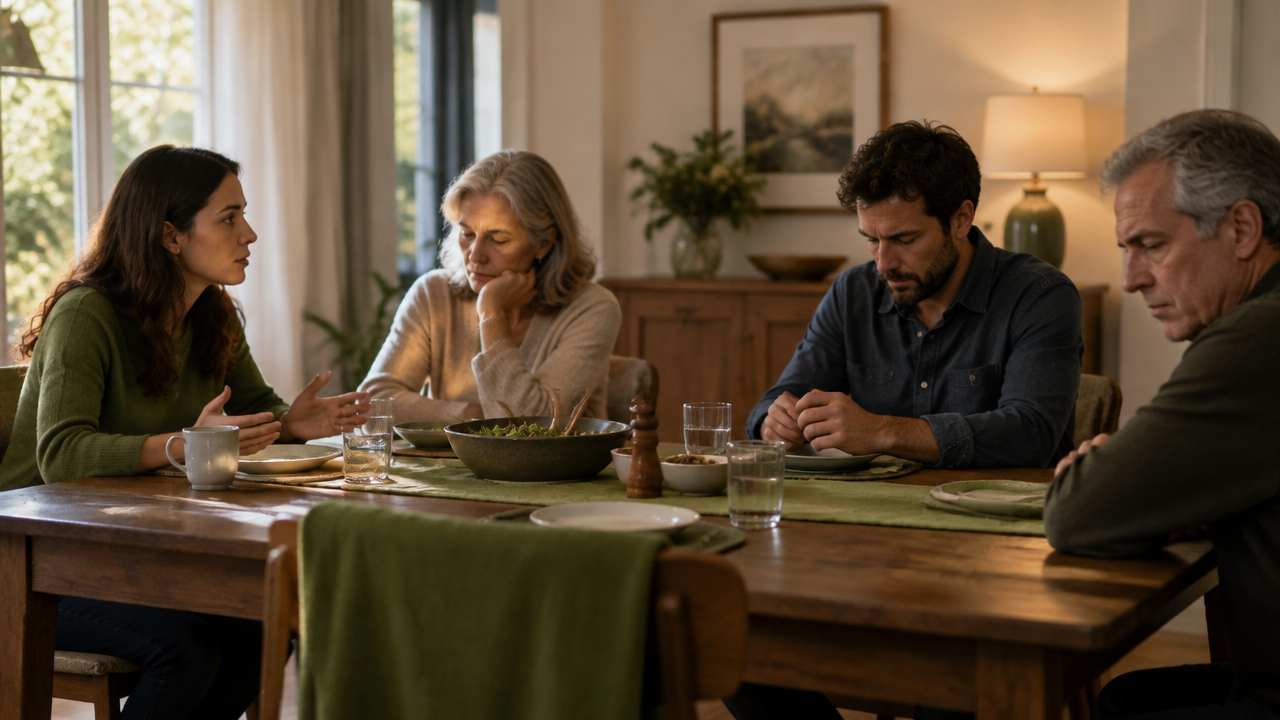

We often think of grief as a private pain. A person loses someone, mourns, adjusts, and moves on in some form. Yet in our experience, grief rarely stays only inside one person. It enters homes, teams, classrooms, neighborhoods, and whole communities. It shapes tone, trust, silence, and even the way people gather.
Unresolved grief affects belonging because pain that is not named often becomes distance, conflict, or exclusion.
We see this in small ways first. A family stops mentioning a deceased relative. A work group avoids speaking about a sudden loss. A community marked by tragedy becomes guarded. People are still together, but something in the field between them changes. The sense of ease is gone. The bond weakens.
What is not grieved is often repeated.
When grief is not processed, people may protect themselves by numbing, controlling, blaming, or withdrawing. These reactions are human. They are not moral failures. Still, they affect others. A person who cannot stay in contact with sorrow may also struggle to stay in contact with vulnerability, memory, and honest connection. Over time, collective belonging suffers.
How grief moves through a group
Groups develop shared ways of handling pain. Some become very functional and speak only about tasks. Others stay fused around old losses and have trouble opening to new life. In both cases, grief remains active.
We have noticed that unresolved grief often travels through groups by indirect signals rather than direct speech. The signs can appear in many forms:
Avoidance of certain names, dates, or places.
Strong reactions that seem larger than the current event.
Difficulty welcoming newcomers without suspicion.
Rigid loyalty to old roles or old stories.
Recurring conflict around care, fairness, or recognition.
These patterns may look unrelated to grief at first. But when we slow down, the hidden link often appears. Someone was lost. Something ended. A rupture happened. The group adapted, but never fully digested what changed.
Belonging becomes fragile when shared loss is denied, minimized, or carried by only a few members.
This matters because belonging is not built only on affection. It also depends on truth. When part of a collective story is missing, members feel it even if they do not have words for it. The atmosphere becomes heavy or thin. People feel alone while standing among others.
The hidden social cost of unspoken loss
There is a scene many of us recognize. A family gathers for a holiday after a death. The table is full. The food is the same. The rituals are kept. But one chair is empty in everyone’s mind. No one mentions it. Conversation stays polite. People leave feeling tired, not nourished.
That is not only sadness. It is a break in collective belonging.
When grief remains unresolved, groups may lose the ability to include complexity. They split experience into what can be shown and what must be hidden. This creates emotional inequality. Some feelings are allowed. Others are exiled.
The cost appears in several ways:
Members feel unseen when their grief has no place.
Younger people absorb tension without understanding its source.
Leadership may harden as a defense against vulnerability.
Rituals lose meaning when they no longer hold real memory.
Trust weakens because people sense what is being avoided.
We think this is one reason some groups look connected from the outside but feel emotionally distant from within. Shared identity alone is not enough. If loss cannot be spoken, belonging becomes conditional. People learn, often silently, which parts of themselves must stay outside the circle.

Why belonging weakens after unresolved grief
Belonging asks for mutual presence. It grows when people can be seen in their humanity, including pain. Unresolved grief interrupts this process because it narrows emotional space. People begin to relate through defense rather than presence.
In our view, three shifts tend to happen.
First, memory becomes tense. Instead of serving as a bridge, memory becomes a trigger. People avoid stories that could bring tears, anger, or guilt.
Second, roles become fixed. One person becomes the strong one, another the difficult one, another the one who carries the sadness for everyone. These roles may last for years.
Third, newcomers feel the old pain. They may enter a family, group, or institution and sense rules that were never explained. They learn quickly that certain emotions, questions, or truths are not welcome.
When grief is frozen, belonging turns into adaptation instead of genuine connection.
This does not mean every group must speak about loss all the time. It means there must be enough room for reality. A healthy collective can remember without collapsing. It can name pain without turning pain into identity.
What helps a group process grief together
Collective healing does not begin with perfect words. It begins with permission. Someone says, in a clear and steady way, that something happened and it mattered. That simple act can soften years of tension.
We have found that groups often heal grief more steadily when they practice a few basic movements:
Name the loss honestly.
Acknowledge different grief rhythms among members.
Create simple rituals of remembrance.
Allow emotion without forcing exposure.
Reconnect grief with meaning, responsibility, and continued life.
These steps do not erase pain. They give it a place. And place matters. What has a place no longer needs to disrupt belonging from the shadows.
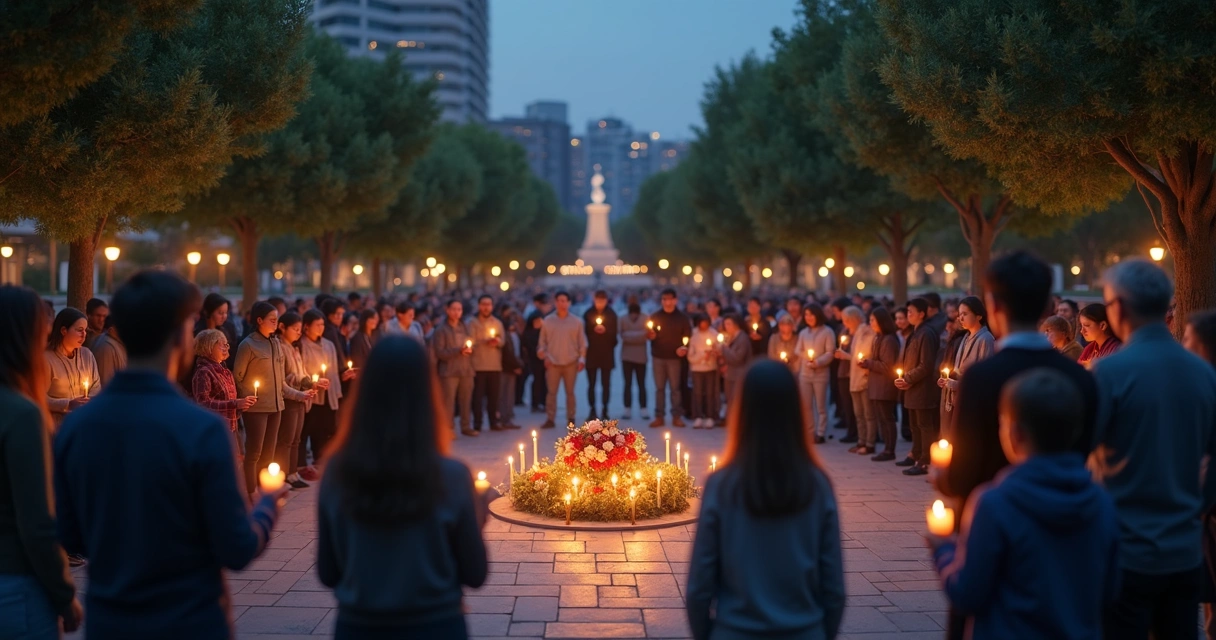
Sometimes healing looks ordinary. A team pauses to honor a member who died. Siblings tell the truth about how a parent’s death changed them. A community publicly remembers a tragedy instead of hiding it behind forced normality. These acts are simple. They also restore dignity.
Conclusion
Unresolved grief is never only about the past. It shapes the present bond between people. When loss remains unspoken, groups often become careful, divided, or emotionally flat. They may stay together in form while losing depth in contact.
We believe collective belonging grows stronger when grief is given language, witness, and place. Not to center pain forever, but to stop organizing life around avoidance. A group becomes more human when it can say, with honesty, that something was lost and that the loss changed everyone.
That is where repair begins. Not in perfection. In recognition.
Frequently asked questions
What is unresolved grief?
Unresolved grief is grief that has not been fully acknowledged, expressed, or integrated into life. A person or group may keep functioning, but the loss still shapes reactions, relationships, and emotional patterns in hidden ways.
How does grief affect group belonging?
Grief affects group belonging by changing how safe people feel with one another. If loss can be named and shared, bonds often deepen. If grief is denied or silenced, members may withdraw, harden, or feel that part of their experience has no place in the group.
Can unresolved grief harm communities?
Yes. Unresolved grief can harm communities by feeding mistrust, emotional distance, repeated conflict, and exclusion. It can also weaken rituals, leadership, and intergenerational connection when pain is carried silently instead of being faced together.
How to heal collective unresolved grief?
Collective unresolved grief can begin to heal through honest naming of the loss, shared remembrance, space for different emotional responses, and respectful rituals. Healing also asks for time, patience, and a willingness to include pain as part of the group’s real history.
Why address grief for social unity?
Addressing grief supports social unity because unity without truth is fragile. When groups face loss with honesty, they reduce hidden tension and create more trust. This makes belonging more stable, more mature, and more open to real human connection.