

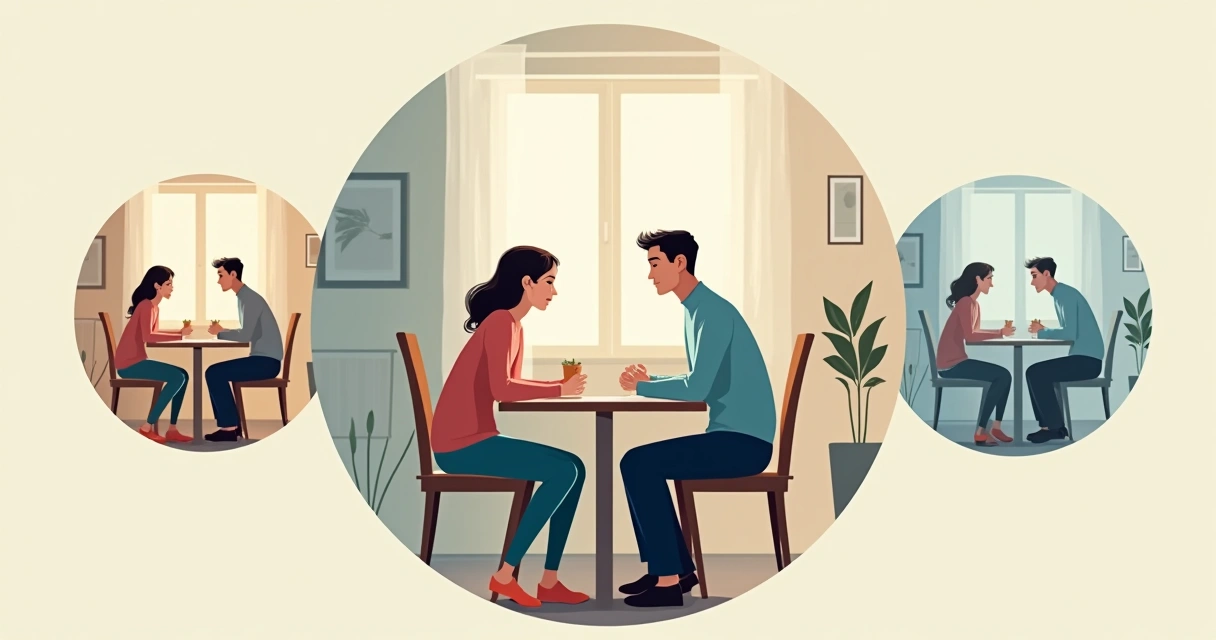
We have all seen it—a friend, or maybe ourselves, trapped in the same kind of relationship again and again. The names change, but the feelings, arguments, and heartbreak remain familiar. These invisible strings are often loyalty patterns. But what are these patterns, and how can we change the story?
Understanding loyalty patterns in relationships
First, we need to answer a simple question: why do we repeat things that hurt us? In our view, loyalty patterns often root back to deep bonds from our family of origin and personal history. These unconscious agreements shape who we love, how we stay, and why we sometimes cannot leave a relationship, even when it no longer serves us.
“We are loyal to what we know, even if it causes pain.”
Loyalty patterns are a set of behaviors, beliefs, and choices that reflect hidden commitments to childhood experiences, family values, or unresolved emotional wounds. While the intention is often connection or belonging, the outcome can be stagnation and repeated disappointment.
How do loyalty patterns start?
We think these patterns begin very early. As children, we unconsciously absorb messages about love, conflict, security, and loyalty. Our brains are quick to learn what is accepted, what brings us closer to our caregivers, and what may risk our sense of belonging.
- If we learn that love is conditional, we may become loyal to partners who repeat this pattern—offering affection only when we behave a certain way.
- If loyalty means staying quiet in the face of conflict, we may avoid addressing problems directly and attract partners with similar avoidance.
- If sacrifice appears as love, we search for relationships where giving up our needs feels familiar—and oddly safe.
These patterns do not appear out of thin air. We inherit them through family systems, culture, and sometimes even organizational or community values.
Recognizing your own loyalty patterns
Becoming aware is the first true step toward change. In our work, we have seen how powerful it is to name and see these patterns clearly. Here are some clues that can signal a loyalty pattern is repeating in your romantic life:
- You find yourself attracted to partners who treat you in a way that is familiar from your past—especially negative dynamics.
- You feel a strong pull to “make it work” even if your needs are not being met.
- You avoid setting boundaries because you fear losing connection.
- You have a repeating cycle of breakup and reconciliation, with very little change each time.
- You notice that your loyalty is based more on fear or obligation than genuine love and care.
Repeating loyalty patterns can feel like holding a secret rulebook you never consciously agreed to.
Why do we keep repeating them?
There are many reasons. Some are psychological, others systemic or even practical:
- Fear of rejection or abandonment: If we challenge family or early relationship rules, we risk feeling alone.
- Desire for belonging: Staying loyal to tradition, even if it hurts, helps us feel included.
- Hidden benefits: Sometimes, keeping to these patterns feels safer than the unknown.
- Unfinished emotional business: Old wounds seek healing by recreating similar scenarios, hoping for a different outcome.
It is not about willpower. Often, these patterns operate beneath our awareness, quietly shaping our reactions and decisions.
How to break the cycle of loyalty patterns
We believe change begins with seeing. When we know these patterns are present, we can build new possibilities. Here’s how we suggest you approach this shift:
1. Notice your emotional reactions
Every time you feel like you “have to” stay, forgive, or ignore something for the sake of loyalty, pause. Ask yourself, “Who taught me this? Where have I felt this before?”
2. Name the pattern
Give the pattern a name. For example: “Fixing my partner’s problems to feel loved,” or “Staying quiet to keep the peace.” Naming helps create distance between you and the automatic behavior.
3. Challenge the belief
Most loyalty patterns come with beliefs like “I am only good if I sacrifice” or “Love means suffering.” Check if these beliefs are truly yours, or if you inherited them.
4. Find healthy loyalty
Ask yourself: What does healthy loyalty look like? Is it caring for yourself and your partner? Is it freedom to disagree? Imagine a version of loyalty that helps everyone grow.
5. Practice new choices
Breaking patterns does not mean betraying anyone. Try setting small boundaries or voicing your true needs with someone safe. Notice if guilt or anxiety appears. That is a sign you are changing the pattern.
“Loyalty to yourself is as valid as loyalty to others.”
The costs of repeating loyalty patterns
We do not talk about the pain of loyalty enough. Staying loyal to outdated patterns means:
- Stagnation—relationships stay stuck, lacking growth or joy.
- Resentment builds, often silent and invisible at first.
- Identity confusion—you may lose sense of who you are without the pattern.
- Anxiety and guilt, particularly when it comes to putting yourself first.
When we repeat these patterns, we give away power to history, rather than building a relationship on present, conscious choice.

Building new paths forward
Changing loyalty patterns is not about blaming anyone, especially not ourselves. It is about recognizing that these patterns once protected us. Now, we can learn new ways to stay connected—with ourselves, and with others.
- Talk about your discoveries with friends who respect your process.
- Reflect on past relationships with fresh eyes, without judgment.
- Imagine a future relationship built on choice, not obligation.
The healthiest loyalty is chosen, not inherited.
Conclusion
In our experience, loyalty patterns in romantic life are strong—sometimes silent, sometimes loud. The more we see them, the more we notice their hold. Breaking the cycle is possible when we replace unconscious loyalty with conscious decisions. It may feel uncomfortable at first, but each new step builds relationships rooted in freedom and real care.
“Awareness opens the door to new love and deeper connection.”
Frequently asked questions
What are loyalty patterns in relationships?
Loyalty patterns in relationships are repeated ways of behaving or choosing partners, based on old beliefs or unconscious ties from our childhood or family system. These patterns can make us choose the same kind of relationship, even when it brings us discomfort or pain, instead of growth and joy.
How can I break old loyalty patterns?
To change loyalty patterns, first become aware of them. Notice your habits, beliefs, and emotional reactions in relationships. Name the pattern, challenge the belief behind it, and slowly test new behaviors—like setting boundaries or expressing needs. Support and reflection often help.
Why do I repeat toxic relationship cycles?
We repeat toxic cycles because our brain and emotions feel drawn toward what is familiar, even when it is painful. Unseen loyalty to family, old wounds, or cultural expectations can keep us stuck in unhealthy cycles until we consciously shift our choices.
What are signs of unhealthy loyalty?
Unhealthy loyalty looks like staying in harmful relationships out of fear, guilt, or habit. You may avoid conflict, lose your sense of self, or feel constant anxiety if you put others’ needs far above your own.
Is it worth it to change loyalty patterns?
Yes, changing these patterns opens space for healthier relationships, greater self-respect, and more authentic connection with others. It takes courage, but the benefits reach every part of our emotional life.