
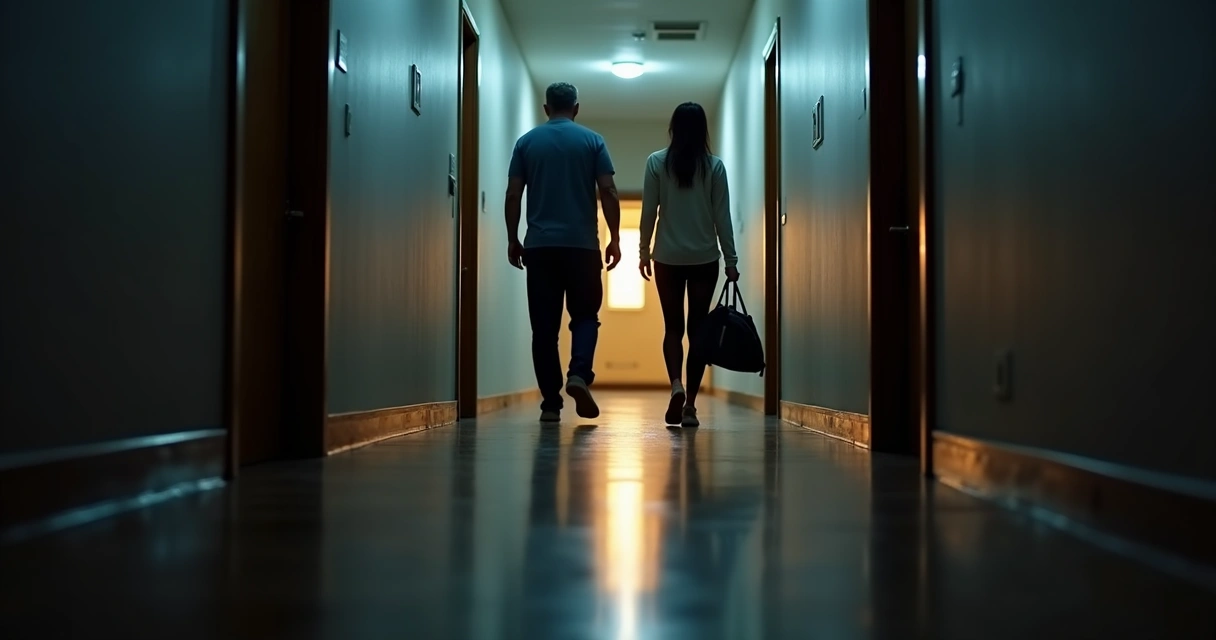
Many families do not break with one loud event. They drift apart in silence. A phone call is postponed. A visit feels too tense. A message stays unanswered. After some time, the distance starts to feel normal. We may even tell ourselves it is better this way.
Emotional cut-off happens when distance is used to manage pain, tension, fear, or unresolved family bonds.
We often see people treat cut-off as a clean solution. It rarely is. In some cases, distance is needed for safety and stability. That is real. Still, when cut-off becomes the only way a family handles conflict, the effects do not disappear. They shift into other relationships, into the body, and into the way we see ourselves.
That is why this topic deserves more honesty. Not more blame. More honesty.
What emotional cut-off really looks like
Emotional cut-off is not only physical absence. A person can live in the same house and still be cut off. We have seen this in families where people speak about chores, money, or schedules, but never about hurt, fear, or longing.
Sometimes the cut-off is obvious. An adult child stops speaking to a parent for years. Sometimes it is hidden under politeness. There are birthday texts, holiday photos, and short calls, but no real bond.
Distance can be loud. It can also be polite.
In our view, emotional cut-off often appears in patterns like these:
Avoiding contact to escape criticism or guilt.
Keeping conversations shallow to prevent conflict.
Leaving family spaces but carrying the same emotional reactivity elsewhere.
Replacing one painful bond with overdependence on a partner or child.
At first, this may bring relief. The nervous system calms down. The pressure eases. But if the inner bond stays unresolved, the old tension often finds a new place to live.
Why families choose cut-off
People do not cut off for no reason. Usually, the move comes after years of strain. Some grew up around control, neglect, unpredictability, or emotional coldness. Others learned that closeness always came with obligation. In that kind of history, distance can feel like the first real breath.
Research supports the long reach of early family pain. A peer-reviewed study indexed on PubMed found that childhood emotional and physical abuse are linked to lower emotional closeness with family members later in life. That tells us something very direct. Early wounds do not stay in the past just because time passes.
We think this matters because many adults judge themselves too harshly. They say, “I should be over it by now.” But family bonds are not simple habits. They are deep emotional structures. When they are marked by fear or hurt, the person may choose distance not out of cruelty, but as protection.
Protection, however, is not always healing.
How cut-off affects the whole family system
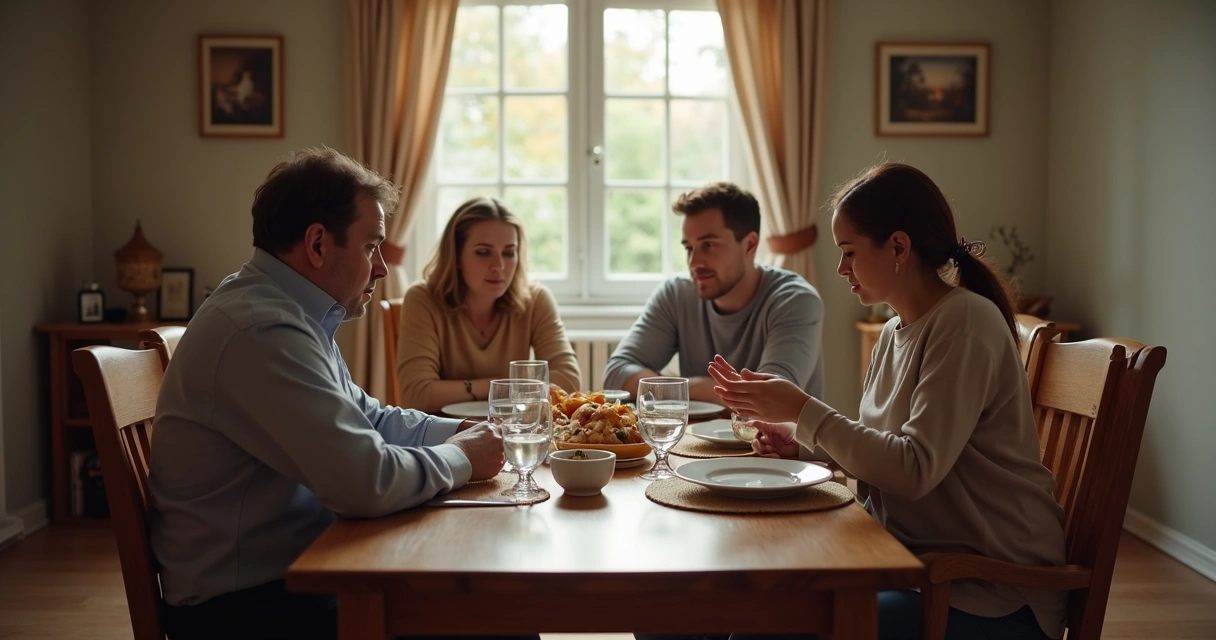
When one relationship breaks, the whole family adjusts around it. Roles harden. Some people become messengers. Some become peacekeepers. Some act as if nothing happened. We often notice that one cut-off can split siblings, strain marriages, and place children in loyalty conflicts.
Family cut-off rarely stays between only two people.
This is one reason the pain can last for years. The absent person is still present in conversation, in silence, in seating arrangements, in holidays not planned, and in the stories people are allowed to tell.
A common scene looks like this. One sister no longer speaks to their mother. Another sister feels forced to choose sides. The father avoids the subject. The grandchildren sense tension and stop asking questions. Nobody names the grief, but everyone organizes around it.
That is not peace. It is frozen stress.
The hidden effects on adult life
Many people think, “I cut ties, so it is over.” Yet emotional cut-off can keep shaping adult life in quiet ways. We may become highly reactive to disagreement. We may fear dependence. We may confuse distance with strength. We may repeat the same push-pull rhythm in friendships or love.
In our experience, some of the most common effects include:
Guilt that returns during illness, holidays, or major life events.
Fear of conflict, followed by sudden emotional withdrawal.
Trouble trusting closeness without losing personal space.
A strong wish to be understood, mixed with refusal to be known deeply.
There is also a social side to this. According to research coverage from Cornell University on family estrangement, 27% of American adults have cut off contact with a family member. That is about 67 million people. So if someone feels alone in this, they are not. The pattern is far more common than many families admit.
Still, common does not mean harmless.
What we avoid can keep shaping us.
When distance is necessary, and when it becomes a trap
We need to be careful here. Not every reconciliation is wise. If there is abuse, active manipulation, repeated violation of boundaries, or real danger, distance may be the healthiest choice. No one should be pushed back into harm for the sake of appearances.
At the same time, some cut-offs become fixed long after the original crisis. The body still reacts as if contact is impossible, even when a more mature form of boundary might now be possible. This is where reflection helps.
We can ask:
Is this distance protecting us from current harm, or from old pain?
Have we built clear boundaries, or only walls?
Are we free in this choice, or trapped in an old family role?
These questions do not force reunion. They help us see more clearly.

What healing may look like
Healing from emotional cut-off is not one single act. It may involve grief before contact. It may involve contact without intimacy. It may involve learning to speak plainly for the first time.
Healing begins when we stop confusing silence with resolution.
Sometimes the first step is not a call. It is naming what happened with truth. It is seeing the family pattern without making one person carry the whole story. It is building enough inner steadiness to face discomfort without collapsing into blame or withdrawal.
Useful steps can include:
Writing the history of the relationship as honestly as possible.
Noticing where family tension repeats in current bonds.
Learning to set limits without disappearing.
Seeking guided support to process grief, fear, and anger.
We have seen that even when full reconciliation never happens, people can still soften the grip of the cut-off. They can stop passing the same burden to partners, children, or siblings. They can live with more clarity and less hidden pressure.
Conclusion
Emotional cut-off in families should not be dismissed as a private detail or a simple personality clash. It can affect identity, intimacy, conflict style, and the emotional climate of the wider family. Sometimes distance protects. Sometimes it prevents further harm. But when the pain under that distance is never faced, the story keeps working in the background.
We think real maturity starts when we stop treating absence as proof of peace. A family bond may be broken, limited, or redefined, but it still asks to be understood. When we look at emotional cut-off with honesty, we gain more choice about what we carry forward and what we no longer need to repeat.
Frequently asked questions
What is emotional cut-off in families?
Emotional cut-off in families is a way of handling tension by creating distance. This can mean ending contact, limiting contact, or staying emotionally shut down even while still in touch. It is often a response to unresolved pain, conflict, fear, or long-term stress in the family bond.
How can emotional cut-off affect relationships?
It can affect trust, closeness, and the way people handle conflict. A person may become quick to withdraw, afraid of dependency, or highly reactive during disagreement. It can also place stress on siblings, partners, and children, since family cut-off often changes the balance of many relationships around it.
How do I deal with emotional cut-off?
We suggest starting with honest reflection. Try to separate present risk from past pain, identify your boundaries, and notice how the cut-off affects your current relationships. Some people choose renewed contact, while others keep distance with more clarity. The goal is not forced reunion, but a more conscious and stable response.
Can therapy help with family cut-off?
Yes, therapy can help many people work through grief, anger, fear, and loyalty conflicts linked to family cut-off. It may also help a person understand repeating patterns, regulate emotional reactions, and decide whether contact, limited contact, or continued distance is healthiest in their case.
What are signs of emotional cut-off?
Signs can include long periods without contact, extreme discomfort before family interactions, shallow communication, strong emotional reactivity to small family issues, or a pattern of disappearing when conflict appears. Sometimes the sign is not total absence, but contact that feels cold, tense, and emotionally sealed off.