

When we look at a family as a living system, sibling position often tells us more than age alone. It can shape who speaks first, who stays quiet, who carries tension, and who learns to adapt. We have seen this in many homes. One child becomes the helper. Another becomes the challenger. A third learns to disappear to keep peace.
Sibling position is not a fixed destiny, but it often influences how each person finds a place inside the family system.
This does not happen because children are born with rigid roles. It happens because families organize themselves around needs, stress, expectations, and unspoken loyalties. The oldest may receive more demands. The youngest may receive more protection. The middle child may learn to negotiate space without asking too loudly for it.
These patterns can last for years. Sometimes, they continue long into adult life.
How positions become roles
In our view, sibling position matters because families seek balance, even when that balance is not healthy. Each child tends to occupy a place that helps the system keep moving. This place may be practical, emotional, or symbolic.
We may see roles such as:
- The responsible one who feels older than their age
- The sensitive one who absorbs tension in silence
- The rebellious one who expresses what others avoid
- The peacemaker who tries to reduce conflict
These roles do not always match birth order in a simple way. A firstborn may act carefree if a parent is very controlling. A youngest child may become highly mature if the family goes through loss or instability. What matters is the interaction between order of birth and the emotional climate of the home.
Position becomes meaning.
We think this is where many misunderstandings begin. People often say, “That is just how she is.” But what looks like personality may also be adaptation.
What firstborns often carry
Firstborn children are often the first to receive parental hopes, fears, and projections. They may be treated as examples for the younger ones. In some families, this gives them confidence. In others, it gives them pressure.
Firstborns often carry the weight of expectation before they have the tools to process it.
This can show up in subtle ways. We may notice a child who corrects siblings, worries about rules, or struggles to relax. In adult life, this may become over-responsibility, guilt during rest, or difficulty asking for help.
Some research supports this tendency. A study on sibling order and family interaction found that firstborn children showed more internalizing symptoms than second-borns, while second-borns had more positive interactions with mothers. The same study also found that the age gap between siblings did not significantly change these outcomes.
That detail matters. It suggests that position in the family system may have more impact than people assume, even when siblings are not very close in age.
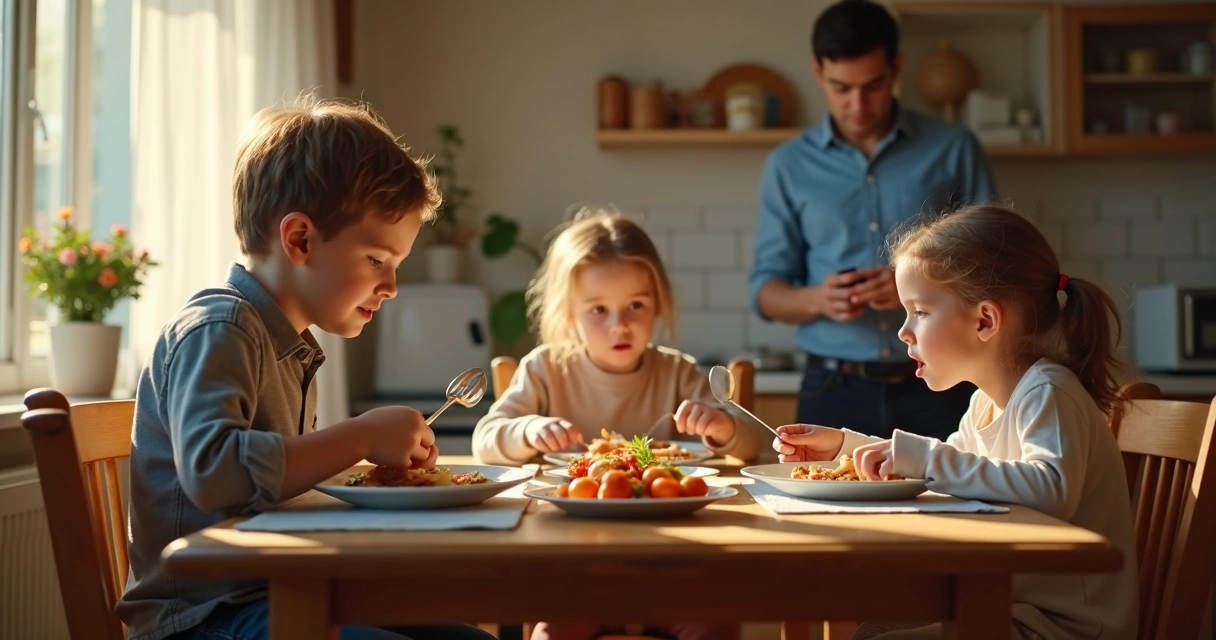
What middle children often learn
Middle children can grow up between stronger definitions. They are not the first arrival, and they are not the last. Because of that, they may become skilled readers of context. They may learn when to speak, when to withdraw, and how to fit in without receiving much direct attention.
We often notice three repeated movements in this position:
- They compare themselves with both older and younger siblings
- They become flexible to keep connection
- They hide unmet needs behind independence
This does not mean every middle child feels forgotten. Still, many do learn to live with less clear recognition. In some families, they become bridges between siblings. In others, they feel emotionally displaced and hard to read, even to themselves.
Middle positions often produce strong social awareness, but also a quiet fear of being overlooked.
That fear can shape friendships, love bonds, and work relationships later on. A person may give a lot, ask for little, and still feel unseen.
What youngest children often express
The youngest child often enters a system that already has a structure. The parents have more experience. The older siblings already hold roles. Because of this, the youngest may receive more freedom, more indulgence, or more emotional projection.
Sometimes the youngest becomes the light one in the family, the one who brings humor and softness. Sometimes the youngest is not allowed to grow up fully because others keep seeing them as “the baby,” even when they are adults.
We have seen how this can create two opposite effects:
- Strong spontaneity and charm
- Difficulty being taken seriously
- Good social ease and quick bonding
- Dependence hidden behind confidence
In tense homes, the youngest may also express what the family denies. A sudden outburst, a dramatic choice, or a refusal to conform can reveal stress already present in the group.
When sibling positions turn into family symptoms
Sometimes one child begins to carry what the system cannot name. We may see a son labeled difficult, but the real issue is constant parental conflict. We may see a daughter called too sensitive, while she is reacting to grief no one has processed.
This is why sibling position should never be read in isolation. It only makes sense inside the wider field of relationships.
A short story helps here. In one family, the oldest daughter managed everything. She helped her mother, calmed her younger brothers, and performed well in school. Everyone praised her maturity. Years later, she said something simple and painful: “I was never a child.” That sentence changed the whole reading of the family. Her role had looked positive. But it had a cost.
Every role has a price.
When a family only sees function, it may miss suffering. The calm child may be carrying anxiety. The funny child may be covering shame. The successful child may be asking, silently, to be loved without performance.
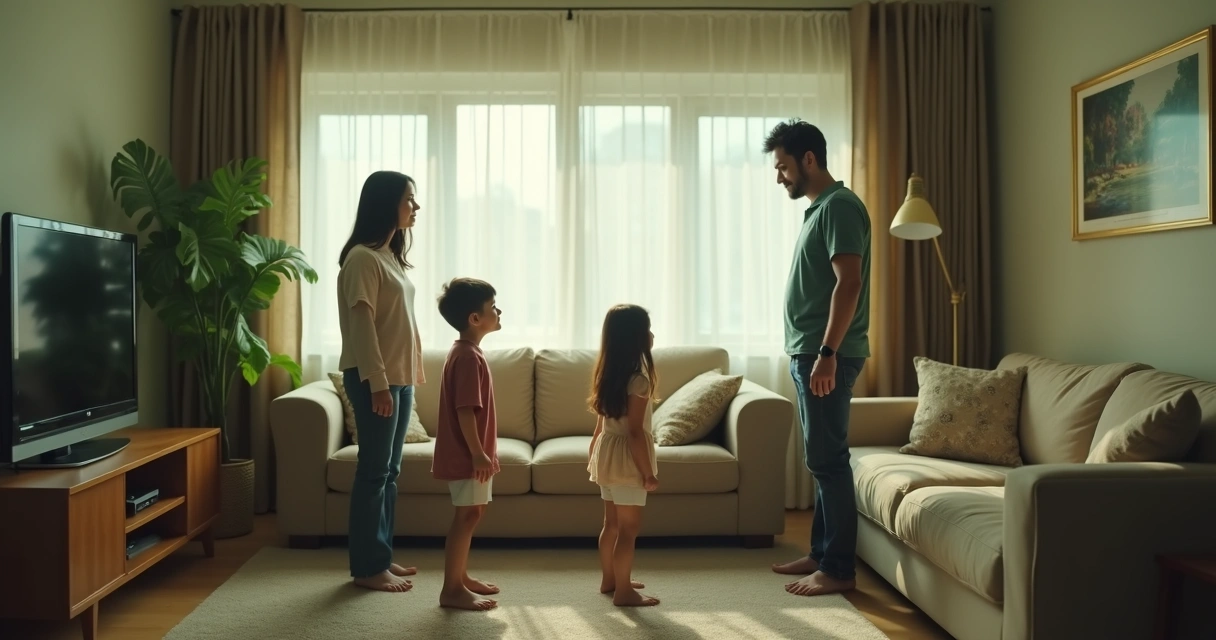
How parents and adults can read these patterns better
We believe a healthier reading starts with curiosity, not labels. Instead of asking which child is the problem, we can ask what role each child has learned to play and why that role became useful.
It helps to observe:
- Who receives more responsibility than is fair
- Who gets attention only when something goes wrong
- Who is seen mainly through comparison with a sibling
- Who is carrying emotions that seem too large for their age
This kind of observation opens space for change. Parents can redistribute tasks, soften fixed expectations, and make room for each child to be seen outside a role. Adult siblings can also revisit old patterns with more honesty. Many feel relief when they realize, “This was not just my personality. It was my place in the system.”
When we name the role clearly, we create room for choice.
Conclusion
Sibling positions shape family life because they influence where each person stands in relation to love, duty, conflict, and belonging. The oldest may hold too much. The middle may adapt too much. The youngest may be protected too much. Yet none of these paths are final.
What changes a family is not denying these patterns. It is seeing them with care. When we understand how roles were formed, we stop blaming individuals for carrying group tensions. Then a new movement becomes possible. Less repetition. More awareness. More freedom in how we relate.
Frequently asked questions
What is sibling position in families?
Sibling position is the place a child occupies among brothers and sisters, such as firstborn, middle, youngest, or only child. This place often shapes expectations, roles, and emotional responses inside the family system.
How do sibling roles affect relationships?
Sibling roles affect relationships by influencing how people seek attention, handle conflict, and connect with others. A child who became the helper may keep over-giving in adult bonds, while one who felt compared may become guarded or competitive.
Can birth order impact family dynamics?
Yes, birth order can impact family dynamics because each child enters a different family moment and receives a different mix of pressure, care, and expectation. Birth order does not decide everything, but it often affects how roles are formed.
Are firstborns always more responsible?
No, firstborns are not always more responsible. Many are given more duties, but family stress, parental style, and sibling needs can change this pattern. Responsibility is often shaped by context, not only by order of birth.
How can parents balance sibling differences?
Parents can balance sibling differences by avoiding comparisons, sharing responsibilities in fair ways, and noticing each child beyond a fixed role. It also helps to listen for what each child may be carrying emotionally, even when their behavior looks very different.