

Every family carries stories, spoken and unspoken, that shape who we are. Sometimes these stories inspire connection. Other times, they create invisible barriers. We have noticed in our work that shifting old narratives is never just about talking. It is about noticing, choosing, and growing together.
Understanding generational narratives
Generational narratives are the stories, beliefs, and patterns passed down from one generation to the next. They live in family traditions, expectations, reactions, and even in silence. These narratives can show up as values, warnings, unspoken rules, or repeated conflicts.
What we inherit is not just genetic—it's emotional, too.
We often absorb these patterns without knowing it. A parent who learned as a child not to show sadness may, without realizing, expect the same from their own children. Each generation repeats or reacts to these stories, creating a cycle.
Why generational change matters
Changing these deep-rooted narratives is challenging but meaningful. If left unexamined, painful patterns—like resentment, silence, or harsh communication—can linger. On the other hand, when we make old stories visible, we can choose how to relate to them.
Changing generational stories gives families the chance to act with more awareness and to build healthier relationships.
Shifting these stories is not about blaming previous generations. It is about understanding where patterns come from and taking responsibility for what we pass forward.
Seeing the invisible: How patterns show up
Sometimes, we only notice a generational pattern when a conflict repeats itself. Other times, it reveals itself in family gatherings—a certain topic always avoided, or a predictable tension after a certain event. The stories beneath these moments are often reflections of what our families have lived through.
When we slow down, we can spot patterns in:
- The way arguments begin and end
- Who shares emotions and who stays quiet
- Which subjects are never brought up
- Reactions to change, success, or struggle
- Roles assigned within the family
In our experience, becoming aware is the first real step to change.
Practical steps to begin shifting family narratives
Step 1: Creating a safe space for conversation
Conversations about old patterns can feel risky. Safety matters. We suggest finding a quiet time, with no urgent distractions, where family members can be present. It helps to begin with openness and a sense of curiosity. Instead of accusing, try sentences like, "I've noticed we tend to..."
Step 2: Naming the unspoken stories
Putting unspoken stories into words can be powerful. Ask each person to share memories, beliefs, or unwritten rules they experienced growing up. Some helpful questions include:
- What did you learn about expressing feelings in our family?
- Are there topics no one ever talked about? Why?
- What have we always been warned about?
Often, a story emerges—sometimes tender, sometimes painful, but almost always revealing.
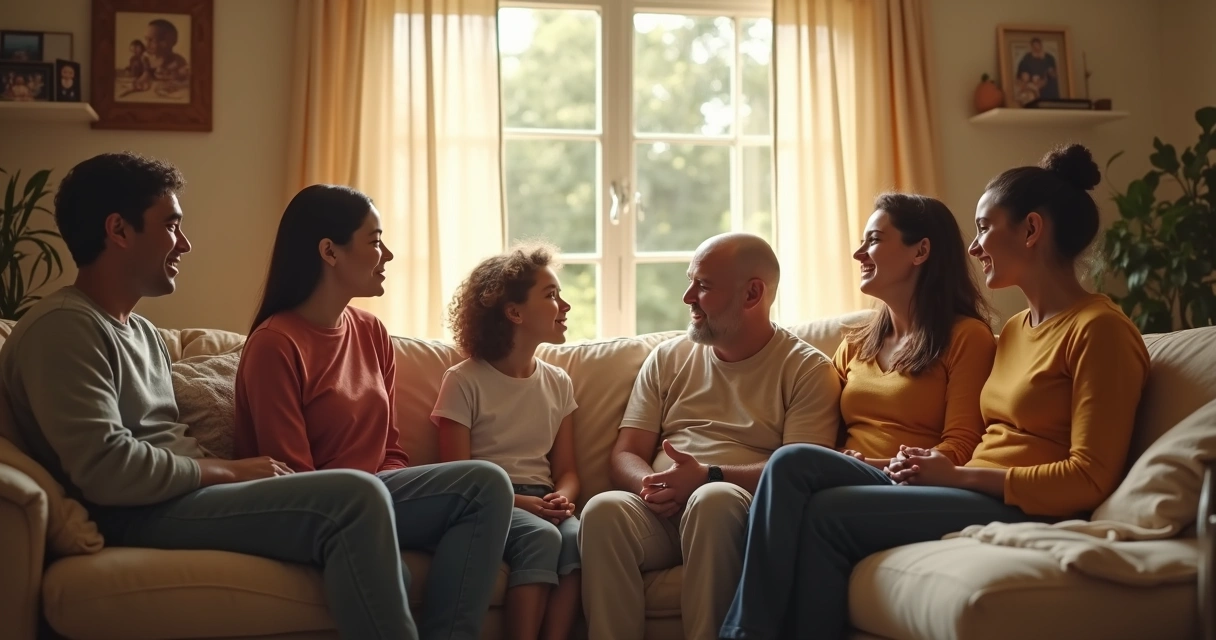
Step 3: Listening without fixing
One of the most transformative practices is listening just to hear, not to solve. When someone shares a story or feeling, we try to pause before replying. Silence lets the meaning settle and invites deeper reflection.
Listening without judgment creates space for honesty and connection.
Step 4: Examining what to keep, what to change
Not every family story is harmful. Some values—like commitment, loyalty, or humor—are strengths worth keeping. Together, families can decide which patterns serve them and which need to change. It helps to ask:
- Is this story still helping us today?
- Is it causing harm or limiting us?
- How would we like this story to sound in the future?
Step 5: Choosing new actions together
Shifting a narrative is more than agreeing on a new idea. It means practicing new behaviors. When we choose a new path, we invite everyone to join in small, specific ways. Some examples might be:
- Agreeing to talk openly about mistakes instead of hiding them
- Creating new family rituals where everyone can share
- Setting boundaries for topics that cause pain until there is readiness to talk
- Giving each person a turn to tell their version of a family event
Small, repeated actions shape new family stories more than grand declarations do.

When old stories resist change
Some generational patterns are rooted in trauma or loss. Sometimes, older family members may resist talking about them, fearing judgment or opening old wounds. In our observation, patience and kindness go a long way. Change is slow. Often, it begins with one person choosing to behave differently.
A gentle approach matters. Simple statements such as, "I'm choosing to talk about this because I care about our future," can soften difficult moments.
Integrating new stories into daily life
A new narrative becomes real when it shows up in daily actions—not just at family meetings. We find it helpful when families take time to check in, celebrate small changes, or even laugh about old habits. Marking shifts with small rituals or symbols can give the change a sense of reality.
Family stories change—not just in what is told, but in how we treat one another.
Transformation does not happen overnight. But as each family member engages, the story grows and changes shape.
Conclusion
Generational stories influence much of how we connect, act, and imagine the future. When families reflect, talk, and choose new paths together, they open space for fresh possibilities. Each small step—naming the old, keeping the good, and trying something new—helps shape a new family narrative. As we see it, shifting family stories is a journey toward more conscious, connected relationships.
Frequently asked questions
What are generational narratives in families?
Generational narratives in families are the shared stories, beliefs, and behaviors that are passed down from one generation to the next. These include what families value, how they handle emotions, and the unspoken rules they follow.
How can families shift old narratives?
Families can shift old narratives by first recognizing them, then having open conversations to make these patterns visible. Next, families can decide together which parts to keep and which to change. Taking small, consistent actions supports lasting change.
Why is changing family stories important?
Changing family stories is important because old patterns sometimes cause pain or confusion. By choosing new ways to relate and behave, families can improve harmony, create better understanding, and support growth across generations.
What steps help heal generational patterns?
The steps include creating safe spaces for discussion, naming old patterns, listening without judgment, deciding which stories to keep, and choosing new actions together. Healing takes time and practice, but each step builds stronger connections in the family.
How to start talking about family history?
Begin by finding a peaceful moment, then invite family members to share their memories and views without pressure. Ask gentle questions about upbringing and feelings. Focus on listening and understanding instead of fixing or judging.