
We often think team decisions fail because of weak data, poor planning, or lack of skill. Sometimes that is true. But in our experience, another force is at work. It stays under the surface. It shapes tone, silence, alliances, and timing. It is not always malicious. Still, it changes outcomes.
Shadow dynamics are the hidden emotional and relational forces that affect how teams decide.
We see them when a group says one thing but acts from another place. A team may claim to seek the best option, while members quietly protect status, avoid conflict, or defend old loyalties. Nobody may say this out loud. Yet the room feels it.
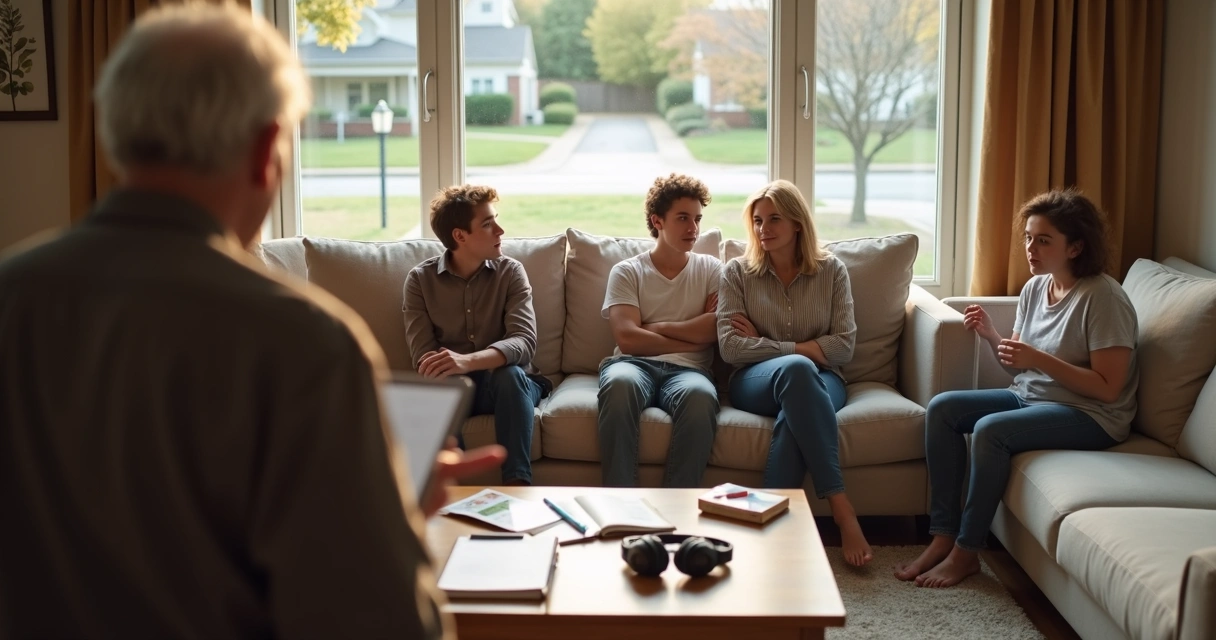
A familiar scene helps. We have all seen a meeting where one idea is clearly stronger, but it does not move forward. People nod, speak in careful tones, and return to a safer choice. Afterward, there is relief, but also a strange flatness. The decision is made. The real issue is not.
What stays hidden still shapes the result.
How hidden motives enter the room
Hidden motives do not appear from nowhere. They grow inside systems. Every team carries past wins, disappointments, power stories, and unspoken fears. New decisions land inside that field.
Some motives are personal. A member may fear looking uninformed. Another may need approval from a leader. Another may resist an idea because it came from someone they distrust. Some motives are collective. A team may avoid bold choices after one painful failure. It may also protect a long-standing image, such as being rational, harmonious, or fast.
These motives rarely enter the meeting as clear statements. They appear as habits like:
Withholding dissent until the meeting ends
Framing caution as maturity while hiding fear
Supporting weak ideas because they come from high-status voices
Attacking details to avoid discussing the real tension
We think this is why many teams feel confused after decisions. The logic seems sound on paper, but the emotional field says otherwise.
Why confidence can mislead groups
One of the most uncomfortable facts about team decisions is this: confidence does not always mean clarity. Groups can feel pleased with their process and still miss the best choice.
Research using the hidden-profile model with nonprofit board members found that when decision-relevant information was unevenly shared, only about 20% of groups selected the objectively best option, even though members felt confident and satisfied with the process. This pattern appears in research on asymmetrical information in group decisions. We find this striking because it shows how easily teams can mistake comfort for sound judgment.
A calm meeting can still produce a distorted decision.
When some members hold key facts and others do not, shadow dynamics become stronger. People fill gaps with assumptions. They protect their standing. They follow the tone set by authority. Shared confidence then acts like a cover. It reduces curiosity when curiosity is most needed.

Signs that a team is acting from the shadow
We do not need dramatic conflict to spot hidden motives. In fact, shadow patterns often look polite. They can sound measured and responsible. That is why they are easy to miss.
We usually pay attention to a cluster of signs rather than one isolated behavior:
The same people speak first and shape the frame before others think aloud.
Disagreement appears later in private talks, not in the shared space.
The group rushes toward closure when tension starts to rise.
Questions focus on defending positions, not testing assumptions.
Members describe the final choice as obvious, yet their energy seems low.
Repeated topics trigger irritation that feels larger than the issue itself.
We have seen teams call this alignment. Sometimes it is. Sometimes it is avoidance wearing formal clothes.
When a team cannot speak freely about fear, loyalty, and status, those forces still act behind the decision.
What hidden motives usually protect
It helps to ask a gentle question: what is this pattern protecting? Shadow motives often defend something that once felt necessary. A person may protect belonging. A leader may protect authority. A whole group may protect a story about who they are.
Common protected needs include:
Safety from blame
Acceptance by the group
Continuity with past decisions
Control during uncertainty
This does not excuse poor decisions. It gives us a better way to read them. If we only attack the surface behavior, people defend themselves. If we notice what the behavior is guarding, more honest conversation becomes possible.
Protection often comes before truth.
How to bring the shadow into awareness
Teams do not need confession rituals. They need structure, language, and steadiness. We have found that hidden motives become easier to name when the process slows down just enough to make room for reflection.
A practical sequence can help:
Separate data from interpretation. Ask what facts are known, what is assumed, and what is missing.
Invite last speakers first. Hear from quieter members before dominant voices set the tone.
Name the pressure. Ask what feels risky about each option, both publicly and privately.
Look for protected loyalties. Notice whether the group is defending a person, a past choice, or an identity.
Review the process after the decision. Ask what was easy to discuss and what stayed hard to say.
This work asks for maturity. Not perfection. If we make hidden motives discussable without shame, teams become more honest and less controlled by what they cannot admit.

Conclusion
When teams ignore shadow dynamics, they do not become neutral. They become governed by what stays unspoken. Hidden motives can shape who speaks, what gets ignored, and which option feels safe enough to choose. We think better decisions begin when teams stop asking only, “What do we think?” and start asking, “What else is influencing us?” That question changes the room. It makes space for responsibility, clearer perception, and choices that reflect more than surface agreement.
Frequently asked questions
What are shadow dynamics in teams?
Shadow dynamics in teams are the hidden emotional, relational, and status-based forces that influence group behavior and decisions. They include unspoken fears, loyalties, rivalries, and needs for approval or control. These forces often stay outside direct conversation, but they still affect outcomes.
How can I spot hidden motives?
We can spot hidden motives by watching patterns, not just words. Delayed disagreement, forced harmony, rushed closure, selective silence, and repeated defensiveness often point to hidden drivers. It also helps to notice when a team’s emotional tone does not match its stated confidence.
Why do teams have hidden motives?
Teams have hidden motives because people do not enter decisions as neutral beings. They bring history, roles, fears, and social needs. Groups also develop shared habits to avoid pain, protect identity, or preserve internal order. Hidden motives usually grow as forms of protection, even when they later distort judgment.
How to address shadow dynamics issues?
We address shadow dynamics by creating safer and clearer ways to speak about tension. Structured dialogue, slower decision steps, early input from quieter members, and separating facts from interpretations can help. The goal is not to blame people, but to make hidden influences visible enough for conscious choice.
Can shadow dynamics impact team decisions?
Yes, shadow dynamics can strongly affect team decisions. They can lead groups to ignore key information, follow authority too quickly, avoid necessary conflict, or choose what feels safest instead of what is best supported. A team may feel satisfied with its process and still arrive at a weak result.