
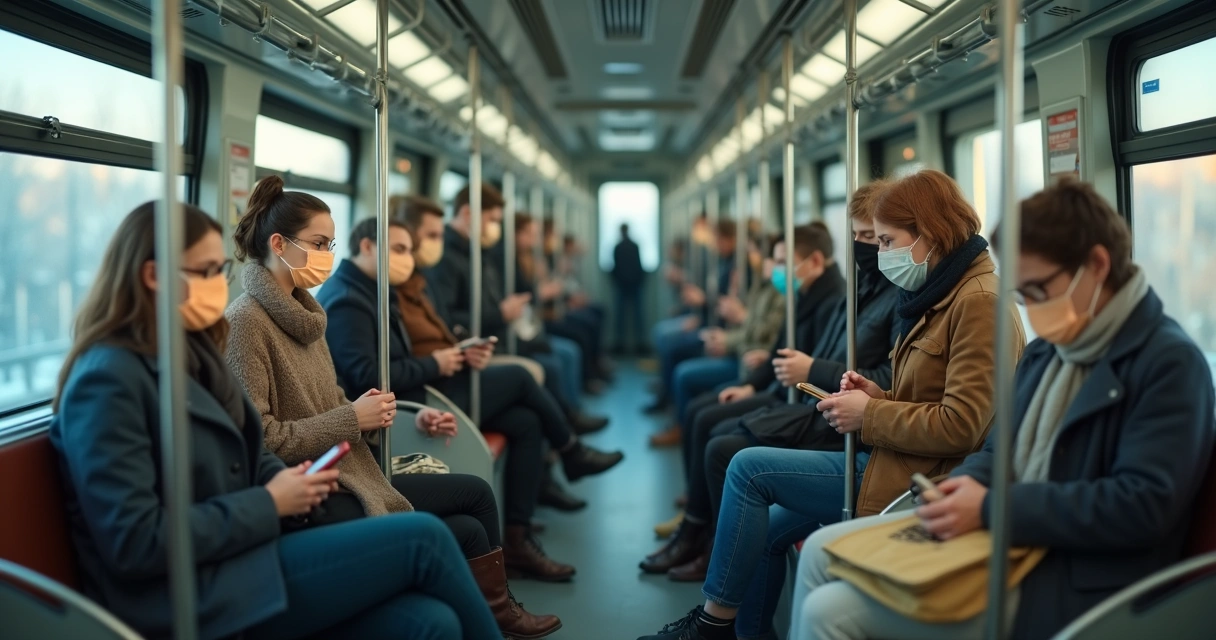
We often think of invalidation as a private wound. A sharp comment at home. A dismissive tone at work. A public reaction that says, in simple terms, “What you feel is not real.” But when this happens again and again, it does not stay private. It spreads through groups, families, teams, and communities.
Chronic invalidation is not just a personal pain. It becomes a social pattern.
In our view, this matters because human beings do not regulate emotion alone. We learn from each other. We mirror each other. We also silence each other. When invalidation becomes common, emotional life grows tense, narrow, and defensive.
What chronic invalidation really does
Invalidation happens when feelings, perceptions, or lived experience are dismissed, mocked, minimized, or constantly corrected. It can sound polite. It can even sound rational. Still, the message lands the same way: “Your inner reality does not count here.”
Sometimes it begins in small scenes. We can picture a child trying to explain fear and hearing, “You are too sensitive.” Years later, the same person sits in a meeting, shares concern, and hears, “You are overreacting.” The words change. The structure does not.
Over time, people start doing at least three things:
They doubt their own perception.
They hide emotions before anyone can reject them.
They expect misunderstanding, even in safe spaces.
This repeated strain wears down trust from the inside out. A study published in Psychology & Health found that higher perceived emotion invalidation predicts less positive emotion in the moment and more negative emotion, especially in social situations involving less close relationships. That tells us something simple and serious. Social climates shape emotional states in real time.
Dismissal teaches silence.
How the harm becomes collective
When one person is invalidated often, the damage is painful. When a group lives inside invalidating norms, the damage becomes cultural. We start seeing more guarded conversations, more reactive conflict, and less honest exchange.
Groups become emotionally unsafe when members must fight to have their reality recognized.
In these settings, people do not only suffer from what is said to them. They suffer from what cannot be said at all. This creates a hidden emotional economy. Some feelings are accepted. Others are pushed out. The group may look calm, but that calm is often built on suppression.
We notice this in several kinds of environments:
Families where grief, anger, or fear are treated as weakness.
Schools where distress is labeled as misbehavior before it is understood.
Workplaces where burnout is reframed as poor attitude.
Communities where certain lived experiences are treated as exaggeration.
In each case, people learn the same lesson. To belong, they must edit themselves. That may reduce open conflict for a while, but it raises inner pressure. And pressure always looks for an exit.
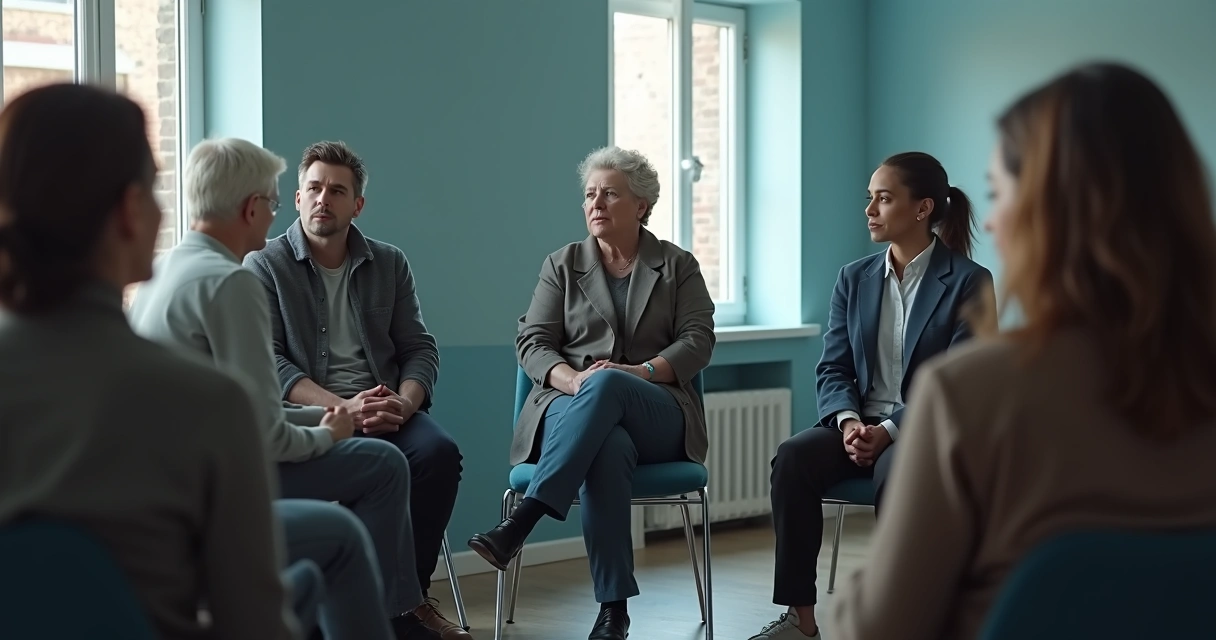
Why invalidation increases distress
Emotional pain gets heavier when people are left alone with it, but it grows even more confusing when they are told it should not exist. A person then has two burdens. The original pain, and the pressure to disown it.
We see this clearly in health settings. A Murdoch University study on people with chronic pain showed that feeling disbelieved or stigmatized is linked with greater emotional distress and may also reduce engagement with treatment. This is not a minor effect. When people feel unseen, they may stop reaching for help.
Another study involving adults with chronic physical health conditions found that illness invalidation, especially from family members and medical professionals, is strongly linked with psychological distress. A broader meta-synthesis of 151 qualitative studies reached a similar conclusion, connecting symptom invalidation with emotional distress, anxiety tied to care, and even avoidance of the healthcare system.
These findings show that invalidation does more than hurt feelings. It changes behavior, trust, and access to support.
Who gets invalidated more often?
Not all invalidation is random. Some people face it more often because of the social meanings attached to their identity, body, history, or condition. When that happens, invalidation becomes structural, not only relational.
We should be honest about this. Communities carry shared biases, and those biases shape whose pain is believed.
A study of transgender and nonbinary adults found that nonbinary participants reported higher levels of gender identity invalidation, and that this was associated with greater psychological distress. This helps us see a larger truth. When entire groups are repeatedly told that their lived experience is not valid, collective emotional harm follows.
Invalidation becomes wider and deeper when it targets identity, not just emotion.
This is why collective emotional health cannot be reduced to individual coping alone. If the field itself keeps rejecting people’s reality, then distress is being produced socially.
Signs that a group is emotionally affected
Collective emotional harm does not always announce itself loudly. Sometimes it appears as flatness, detachment, or chronic friction. People may say, “Something feels off here,” without knowing why.
We tend to notice a few recurring signs:
People apologize before speaking about pain.
Honest feedback disappears or turns sarcastic.
Conflicts repeat without real repair.
Vulnerability is mocked, ignored, or treated as inconvenience.
Members feel lonely even while surrounded by others.
When these signs settle in, the group starts losing emotional range. Joy becomes thinner. Care becomes cautious. Fear moves underground and returns as blame, distance, or numbness.

How groups can interrupt the pattern
The good news is that invalidation is learned, and learned patterns can be changed. We do not need perfect language to start. We need steadier presence and more honest listening.
In our experience, repair begins when groups practice a different sequence:
Pause before correcting someone’s emotion.
Name what seems to be happening with care.
Ask questions before making conclusions.
Separate disagreement from dismissal.
Allow experience to be real even when perspectives differ.
This does not mean agreeing with every interpretation. It means refusing the habit of erasing the person who speaks. That shift changes a lot. People become less defensive. Dialogue gets cleaner. Trust grows slowly, but it grows.
Conclusion
Chronic invalidation harms more than the individual nervous system. It affects the emotional tone of whole groups. It teaches people to shrink, doubt, and disconnect. It also creates climates where misunderstanding is normal and care feels risky.
We believe collective emotional health improves when reality can be spoken without fear of contempt. That kind of environment does not remove pain. Still, it prevents the second wound, the wound of not being believed. And often, that is where repair truly begins.
Frequently asked questions
What is chronic invalidation?
Chronic invalidation is the repeated dismissal, minimization, or rejection of a person’s feelings, perceptions, or lived experience. It happens over time, not just once. It can come from family, peers, institutions, or social groups.
How does invalidation harm emotional health?
Invalidation harms emotional health by increasing shame, self-doubt, stress, and emotional isolation. It can also make people hide their feelings, distrust their own experience, and avoid seeking support.
Can chronic invalidation affect whole communities?
Yes. When invalidation becomes common in a group, people feel less safe to speak honestly. Over time, this can lead to silence, conflict, mistrust, and shared emotional numbness. The harm becomes collective because the group starts shaping itself around dismissal.
How to cope with chronic invalidation?
Coping starts with recognizing that the pattern is real. It helps to name the experience, seek relationships where listening is possible, set limits with dismissive behavior, and rebuild trust in one’s own perception. In some cases, structured emotional support may also help restore clarity and stability.
What are signs of collective emotional harm?
Common signs include guarded communication, repeated unresolved conflict, emotional flatness, sarcasm instead of honesty, fear of vulnerability, and a shared sense that people are present but not truly connected.